
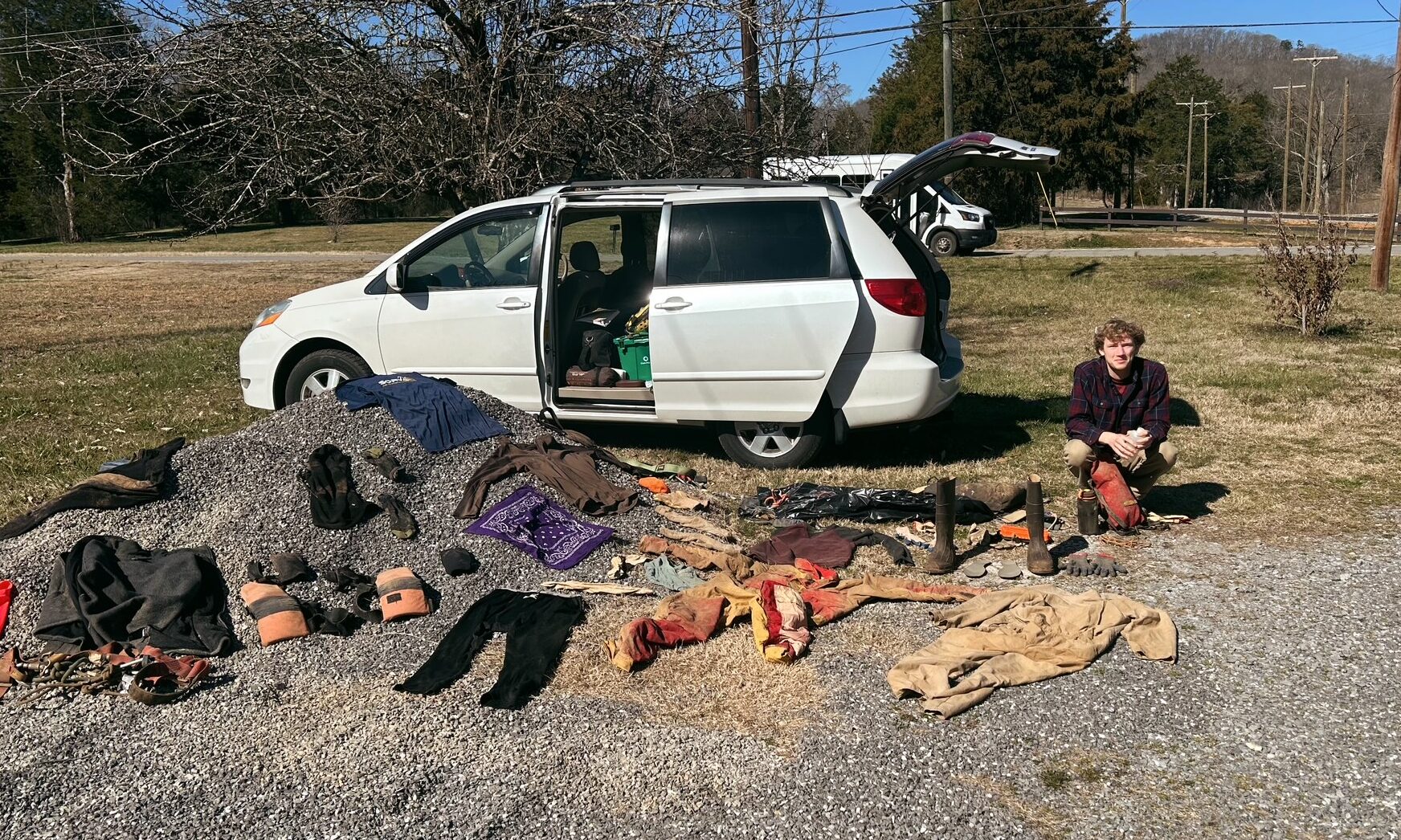
What does it take to prepare for a cave trip? Your first trip, and every trip thereafter, will help you figure out what you need to do to get ready.
Talk With Your Trip Leader and Plan
Before every trip, check in with the trip leader. Good communication keeps everyone safe and prepared.
Who is coming?
Share important info with the leader: allergies, medical conditions, phobias (like claustrophobia), or anything else that could affect the trip.
How many are coming?
Leaders may set group size limits to protect caves, respect landowners, or manage safety.
What are we doing?
Ask about cave conditions: wet or dry? vertical or horizontal?
Know the expected trip length so you can pack the right gear and food.
When and where?
Confirm the meeting spot (signout location vs. cave entrance). Miscommunication wastes valuable time.
If you’re running late, notify the leader!
Make sure you know:
ETA: when you should be out of the cave.
Callout time: when rescue is called if you don’t return.
Share your ETA with someone you talk to daily (parent, roommate, etc.), so they don’t panic if you’re out of touch.
Required Equipment
Helmet:
Required for safety. The club provides loaner helmets for beginners.
Lighting:
– Bring 3 independent light sources (headlamp + backups).
– Carry extra batteries.
Clothing:
– Base layer: Synthetic (like workout tights); avoid cotton since it traps moisture.
– Outer “mud layer”: Durable, long-sleeved synthetic top + abrasion-resistant pants. Jeans are acceptable with a good base layer.
– Warmth: Caves are ~54°F; bring an extra fleece for breaks.
– Gloves: Nitrile-dipped gardening gloves (cheap and effective.)
– Knee pads: Essential for crawling.
– Socks: Wool hiking socks work best.
Footwear:
– Closed-toe shoes with ankle support. Expect mud and water. Many cavers prefer rubber boots (PVC/Wellies).
Pack:
Use an old backpack or a cheap 20L drybag (it will get muddy).
Inside your pack:
– Food & water
– Extra warm layer (fleece)
– Personal medication
– Candle, lighter, and trash bag (emergency supplies)
– Spare light and batteries
**Helmets and one source of light are available in the club equipment to borrow for those that do not have them.
Additional Recommended Equipment
Duct Tape: It’s a good idea to put a bunch of Duct Tape around your water bottle – the stuff can come in handy.
Food: Candy bars, granola bars, pop tarts, or whatever else lights your fire.
Tampons: chicks dig a dude that packs these. Also good for bullet wounds and nose bleeds.
Webbing: 20 to 30 feet of 1 inch tubular webbing (also called sling) is useful for belays, handlines, arm rappels, and climbing harnesses.
The list of other handy things to have is endless: a watch, a camera, water purification, toilet paper. . . . Talk to more experienced cavers like your trip leader for ideas!
Additional Considerations:
- Car Keys: Everyone on the trip should know where they will be kept, in case of an emergency.
- Pack check: Check the contents of your pack with your trip leader before leaving on the trip.
- Keep communicating: Before and during the trip, communicate with the trip leader. If you are late or if something is on your mind, tell them so they can help you have fun and be safe.
- Be respectful of Landowners and their property: No-one has to let you go in their cave. Please leave gates as you find them, take care around livestock, and do your part to leave every place better than you found it
- If you see something, say something: If someone or something seems unsafe tell your trip leader or talk to the
club’s safety chair so that the issue can be addressed.
Helpful Resources: